


NetPMD extends partnership with Vetro
NetPMD is extending our partnership with VETRO. Together, we give operators something the industry rarely gets: a network that’s delivered…
As more operators are consolidating around turnkey models, the appeal is straightforward: one partner accountable from design through to an operational ready network, fewer interfaces to manage, and a single line of sight on progress. But turnkey only delivers on that promise if the construction phase is run as an integrated discipline rather than a handoff between stages. This is where most of the simplification is won, and where it is most often lost.
Construction is the point where the plan meets the ground, and the ground rarely matches the plan exactly. Route adjustments, ground condition, unexpected obstructions, revised splice locations: field amendments are a normal part of any build. The problem is not that they happen. The problem is where they go. In many programs, those changes live in redlines, field photos, and individual knowledge, and they do not find their way back into the design until as-builts are compiled later, if they are captured accurately at all. The design and the network quietly drift apart, and that gap is where rework, integration delays, and handover disputes come from.
This is where NetPMD’s approach to construction management changes the shape of the problem. Having experienced program managers in the field is considered expected, but when it’s using GIS-capable technology that works both online and offline in the field, every amendment made on site is captured at source and flows automatically back into the original design. The design stops being a static drawing and becomes a living record: a single source of truth, and in effect a digital twin of the network as it is actually being built rather than as it was first drawn.
The impact of that is practical. Field teams and design stay aligned in real time. As-builts become a byproduct of the process rather than a scramble at the end. Integration and handover begin from data that is accurate and trusted, which is exactly what protects timelines and budgets at the stages where programs are most exposed. And for the client, the whole thing gets simpler: one accountable partner, one source of truth, one version of the network that everyone is working from.
That is what construction management should do in a turnkey model. Not just build to a plan, but keep the plan and the network in lockstep so that what gets handed over is fully operational and fully documented on day one.
The question worth asking of any turnkey partner is not whether they can build. It is whether the network they hand over matches the record they hand it over with. If that is a question live on your program right now, we are happy to walk through how we approach it.
NetPMD is extending our partnership with VETRO. Together, we give operators something the industry rarely gets: a network that’s delivered…
NetPMD and Parker Communications Partner to Accelerate Scalable Fiber Network Deployments Collaboration enhances design, engineering, and integration capabilities to support growing…
Strengthening delivery. Expanding expertise. Accelerating growth. NetPMD Design & Integration is pleased to announce the successful merger with NetPMD Solutions, bringing together two highly…
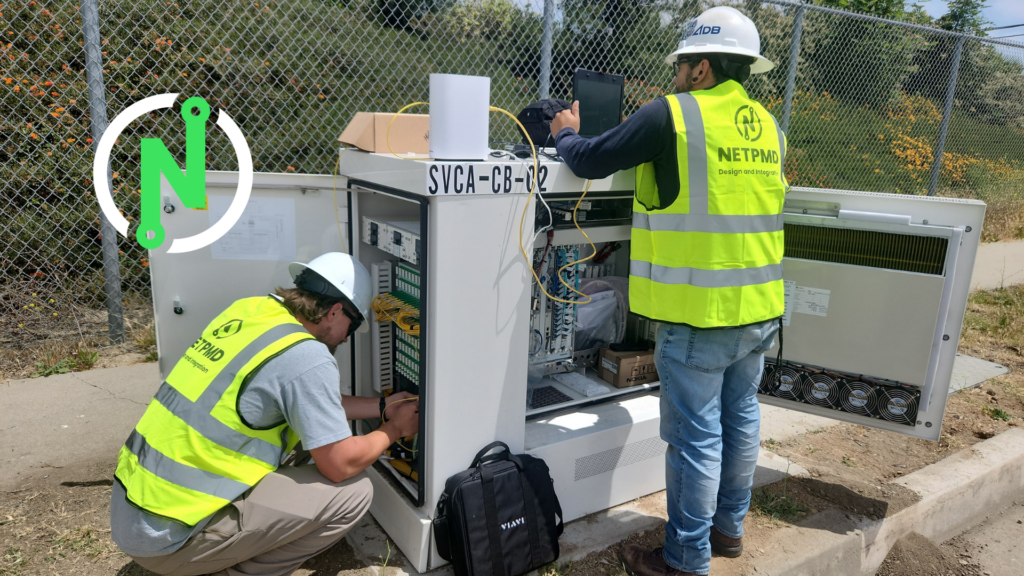
The 58,000-Role Problem Facing US Fiber Deployment And What It Means for Operators Scaling in a Constrained Market The…
Another Year of Growth, Delivery & Partnerships As we approach the end of the year, we want to take a…
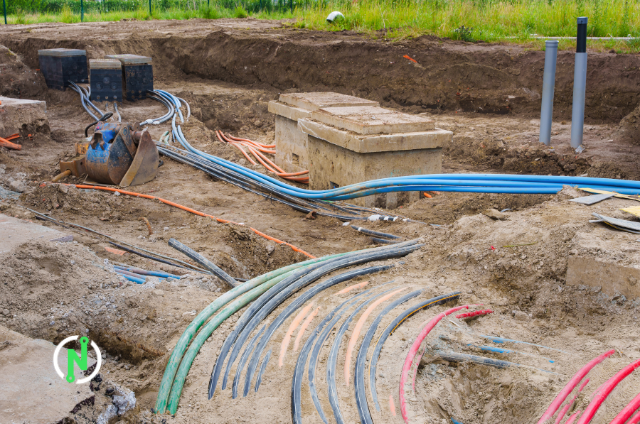
Why Proper Grounding Matters in Fiber Network Design and Integration Project Overview When it comes to fiber network deployment, the…